
Seller representation · Echo Park · 90026
The rent roll comes before the asking price
My November seller note: how documented income, overlooked expenses, and the work behind a building shape the pricing discussion in Echo Park.
By David Levine Bramante · Published · Updated
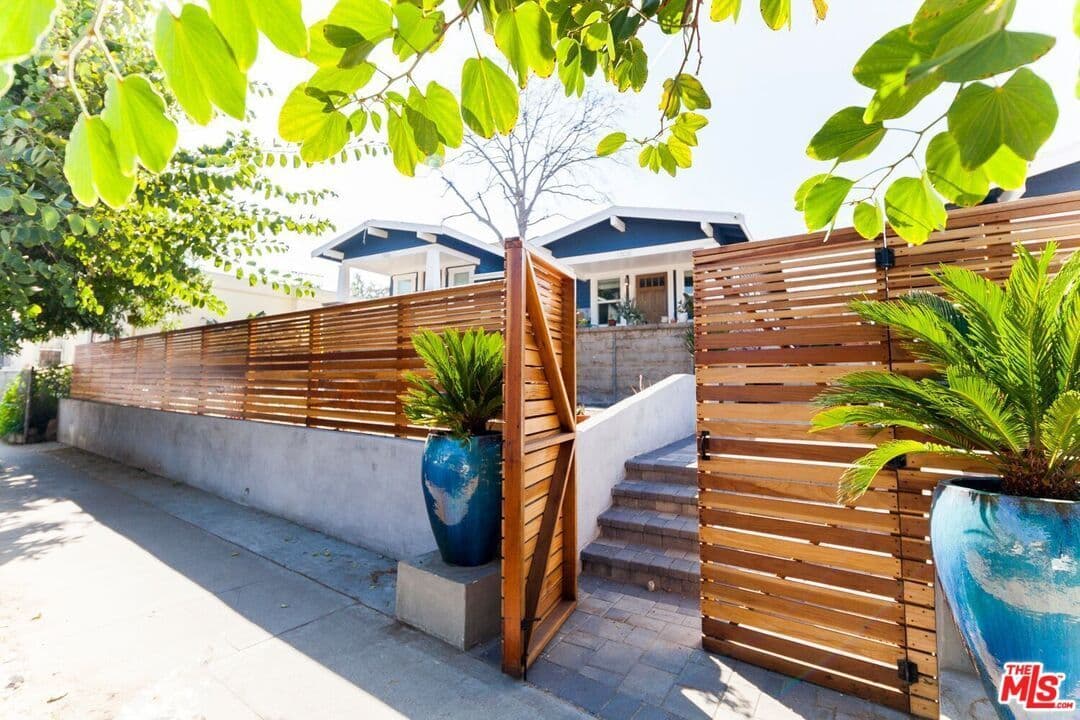
A price needs an income statement behind it.
I start an Echo Park building valuation with the rent roll and operating costs. A nearby sale may establish useful context, but it does not tell me whether your building supports the same income or requires the same work. My pricing basis is cap rate for a cash purchase and cash-on-cash return for a financed purchase, benchmarked to a dated 10-year Treasury yield. I do not substitute price per unit, price per square foot, or gross rent multiplier for that underwriting.
A missing expense can change the implied value.
Here is a hypothetical example, not a claim about current Echo Park cap rates. Suppose a building has $100,000 in annual net operating income and the required cap rate is an assumed 5%. The implied price is $2,000,000. If a review finds another $10,000 in recurring annual operating costs, the supported net operating income becomes $90,000. At the same assumed 5% cap rate, the implied price is $1,800,000. The $200,000 difference comes from the expense assumption. It is not a prediction of a sale price or a reason to conceal a cost.
Financing creates a second test.
A financed purchaser must also account for debt service and the cash committed to the transaction. I test annual cash flow after debt service against the down payment, closing costs, reserves, and planned work. The same building can produce different cash-on-cash results under different loan terms. That is why I ask for actual financing assumptions rather than treating a projected return as a property fact. A Treasury comparison is a benchmark; it does not supply a universal cap-rate spread.
My operating experience keeps the work in the conversation.
At Montana Bungalows, 1806 Montana Street in Echo Park, I acquired a six-unit community on March 20, 2015 for $1.075M, renovated and repositioned it, and represented the $3.05M sale on April 22, 2016. Those are gross purchase and sale prices, not net profit or an investor return. The published figures do not account for renovation, financing, carrying costs, taxes, fees, or distributions. I use the project to explain my ownership experience, not to promise that another building will produce the same outcome.
Prepare actual records before projected rents.
For an occupied building, I ask for leases, current rents and collections, operating statements, repair history, and available housing and permit records. I keep actual income separate from proposed rent changes, additional units, or possible vacancies. Parcel-specific RSO questions need confirmation; a building sale should not be underwritten as if it automatically resets every rent. A complete record makes it easier to discuss both the support for a price and the assumptions a purchaser may question.
Start with the address and your timing.
If you are considering a sale of an Echo Park or 90026 income property, send the address and unit count through the free valuation form. I can follow up for the operating records and explain what I still need before discussing a pricing range. I work remotely by phone, email, and local partners through Loom Realty. This issue offers a pricing framework and a documented project example; it does not publish a current market average or legal or tax advice.
Montana Bungalows transaction record and photographs · Pricing method and hypothetical example · RSO guide with official LAHD sources
Editorial policy and corrections
Echo Park multifamily seller resources · Documented sales · About David Levine Bramante